
Operationalizing the foundations of pre-emptive global security.
Shifting the global security paradigm from reactive crisis containment to proactive neuro-social stabilization.
In a "polycrisis" era, traditional security models, which rely on deterrence and reactive containment, face unprecedented strain when addressing localized community fragility.
Modern neuroscience reveals that systemic unpredictability acts as a profound biological stressor. When institutional responses remain structurally fragmented, they inadvertently increase allostatic load, biologically encoding "survival mode," the physiological precursor to radicalization, recidivism, and unrest.
The Neuro-Architecture of Peace treats health, justice, and security infrastructures as Complex Adaptive Systems.
To break the cycle of systemic violence, health, justice, and security infrastructures must be treated as Complex Adaptive Systems. This initiative introduces Stability Architecture, a proactive framework designed to stabilize vulnerable populations before they require law enforcement or military intervention.
The framework utilizes the Adversity/Stability Quadrant to identify populations located in the "Pre-Conflict Zone," where material safety exists, but institutional unpredictability creates a psychological vacuum susceptible to radicalization.
Driven by the proprietary Governing-Force Model (GFM)™, frontline actors utilize Phronetic Forecasting to evaluate the Vulnerability Multiplier, executing a "Phronetic Pivot" toward neuro-relational stabilization rather than event-driven crisis containment.
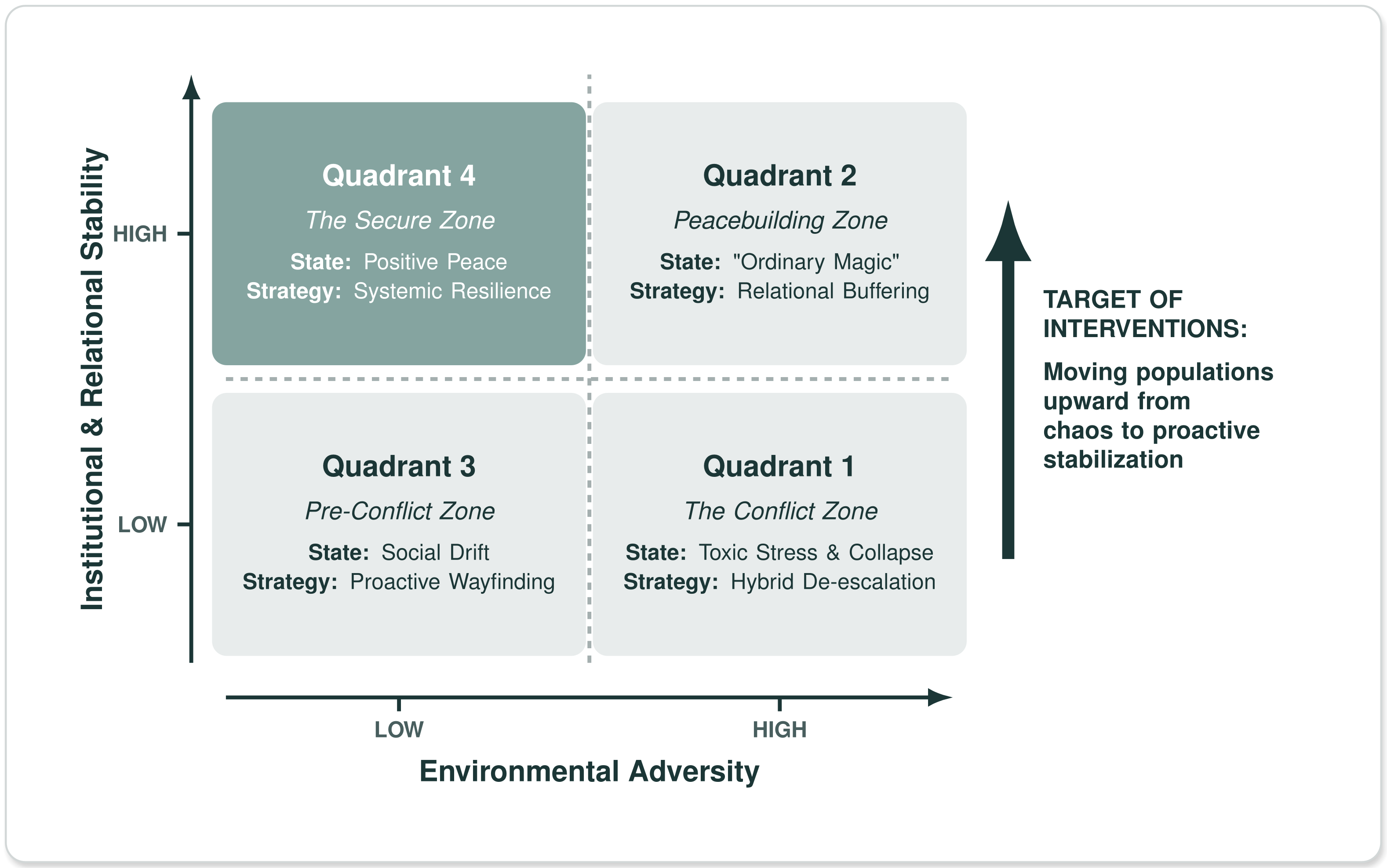 Figure 1: The Adversity/Stability Quadrant
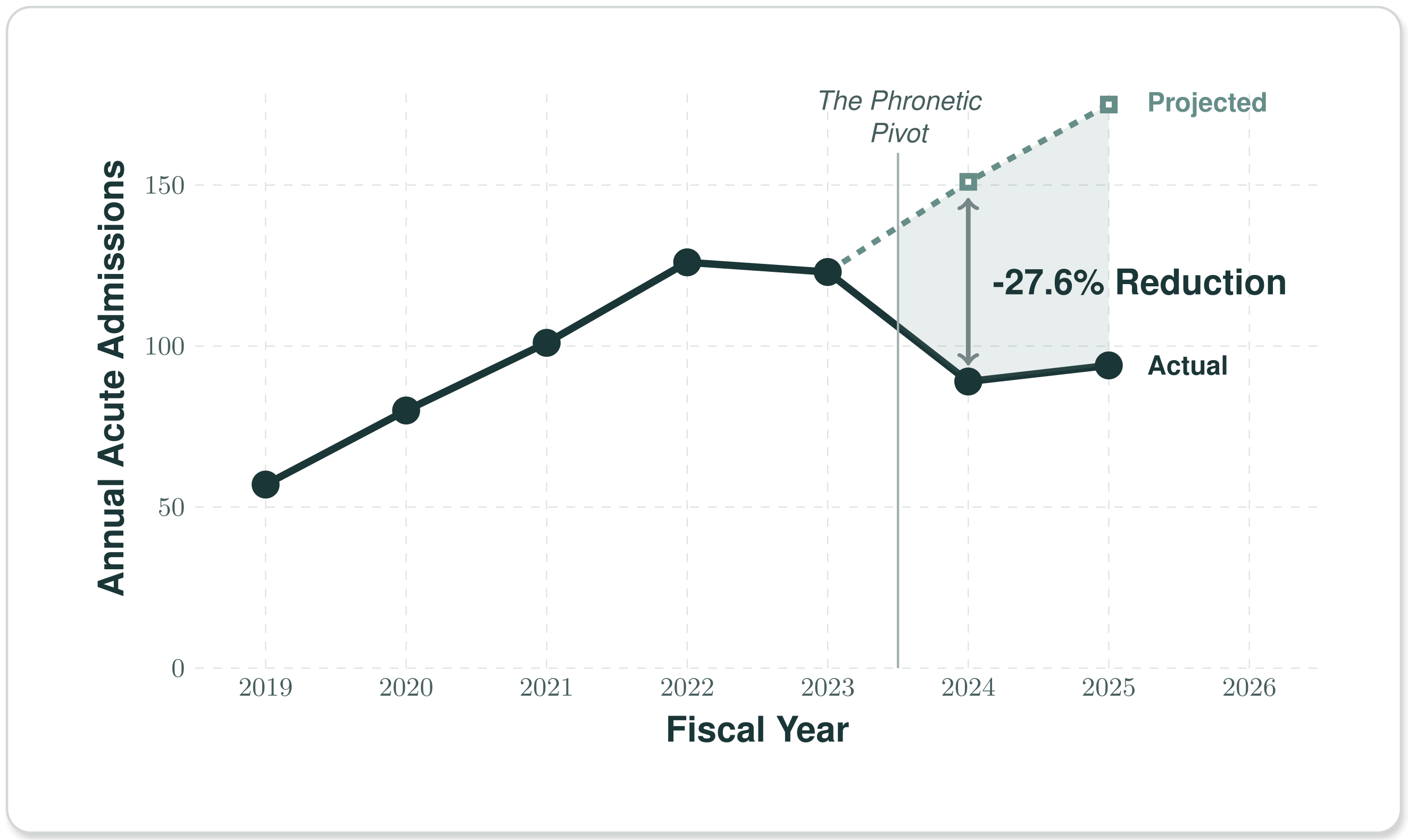 Figure 2: Longitudinal Trajectory Data
As visualized in Figure 2, the pilot suggested a significant systemic impact against projected counterfactuals during a longitudinal, multi-county quality improvement pilot targeting high-risk youth behavioral escalation.
The 2026 Roadmap prioritizes the certification of 1,000 international Certified Stability Architects (CSA)™, grounded in the Governing-Force Model (GFM)™. In parallel, the executive fellowship (DFSG)™ remains open to policymakers and public administrators to ensure institutional alignment and authority.
| Designation | Tier | Core Requirement | Potential Endorsement |
|---|---|---|---|
| Certified Stability Architect (CSA)™ | Practitioner | Mission Design & *Strategic Equilibrium Defense | GCSP, UNDP, IEP |
| Diplomatic Fellow of Stability Governance (DFSG)™ | Executive | Policy Alignment & *Strategic Equilibrium Defense | WHO, GCSP, National Ministries |
| Vanguard Fellow (VF)™ | Elite Impact | Empirical Validation & Field Replication | International Geneva Ecosystem |
* Proposed GCSP Strategic Equilibrium Defense: A high-intensity stress-test for capstone mission designs, intended to be facilitated within the Geneva security ecosystem subject to institutional partnership.
Micro-level crises are early indicators of macro-level state fragility. The Neuro-Architecture of Peace scales via the Neuro-Security Stabilization Loop (Figure 3) to inform international security doctrine.
The GCSP acts as the institutional birthplace for this globally exported field protocol.
The next phase deploys cross-sector, Stability Architects, specialized strike teams integrating health, justice, and peacebuilding into high-risk terrains.
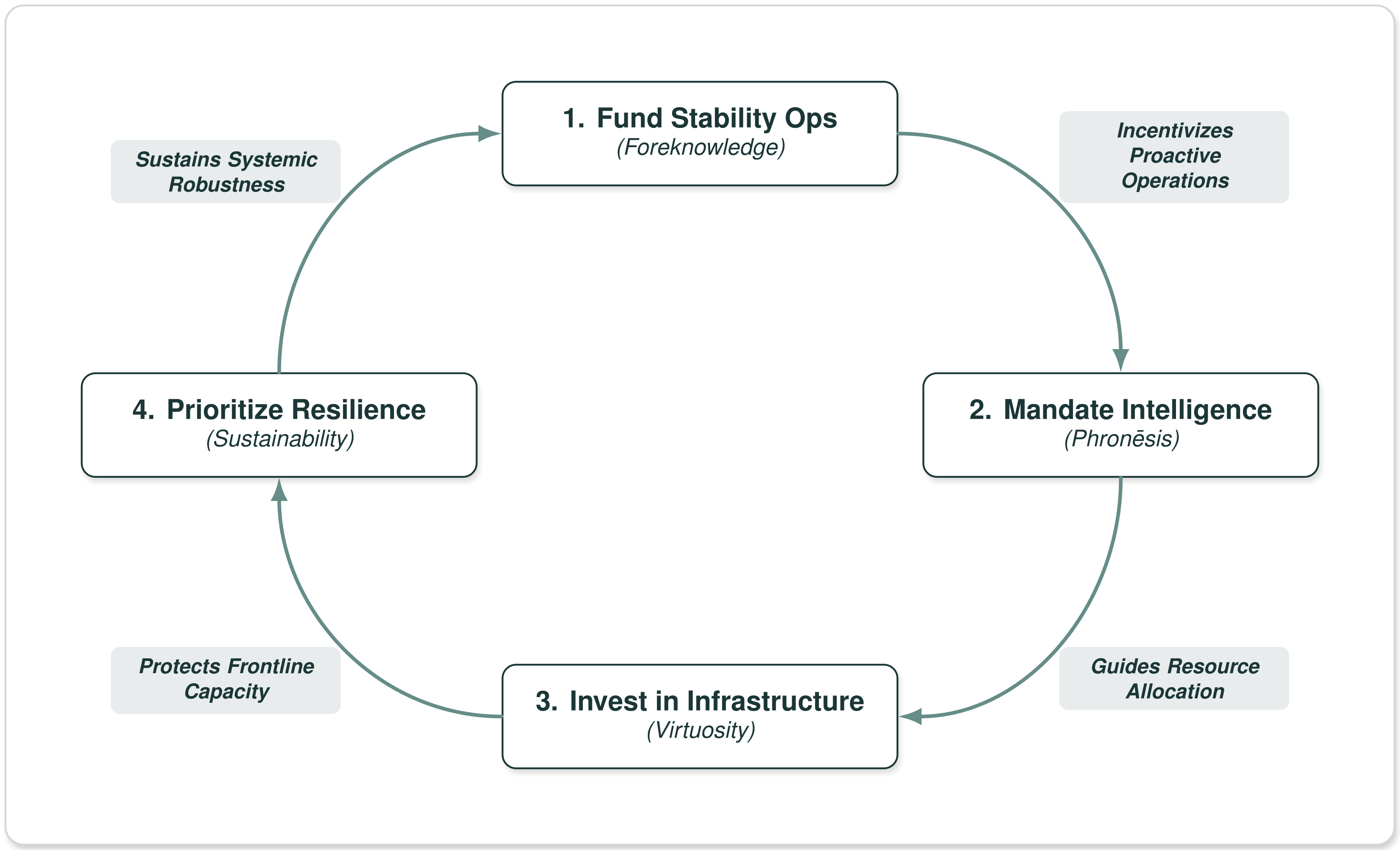 Figure 3: The Neuro-Security Stabilization Loop
With more than 10 years of research and applied practice, the initiative's founder is a strategist bridging public health, neuroscience, and systemic justice.
Operating at the intersection of clinical intervention and institutional policy, the founder recently led a longitudinal, multi-county quality improvement pilot in the Western United States. This initiative achieved a 27.6% reduction in acute crisis events, recognized by the 2026 Global Health & Pharma (GHP) Holistic Health Award.
Current efforts focus on translating these empirically supported, micro-level stabilization protocols into macro-level geopolitical security doctrines.